Game of the Month
(may not be updated every month)
Past Games of the Month — By Name:
Hollow Knight (2017)
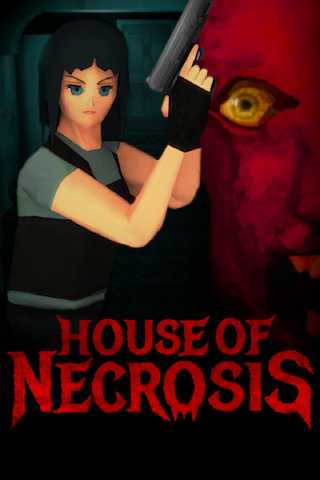
House of Necrosis (2025)
Minecraft (2011-Pres)
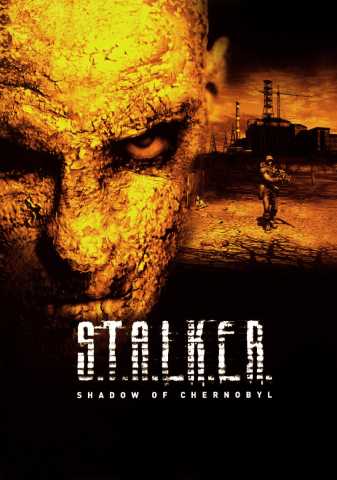
S.T.A.L.K.E.R.: Shadow of Chernobyl (2007)
Sonic R (1997)
Team Fortress 2 Classified (2026)
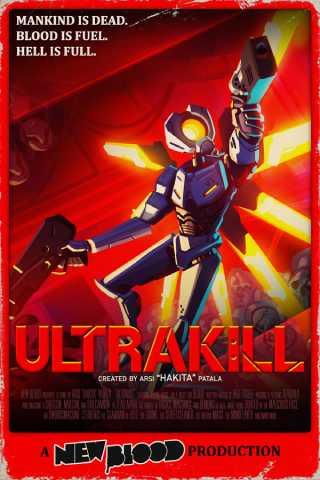
Ultrakill (2019-Pres)
Wario Blast: Featuring Bomberman! (1994)
July 2026
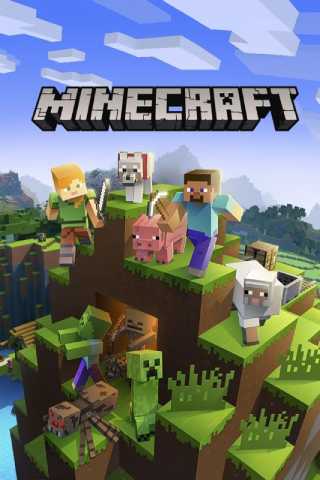
Minecraft (2011-Pres)
DEVELOPERS: Mojang Studios
PUBLISHER: Mojang Studios
In survival mode, which is the main game mode of Minecraft (2011-Pres), you are dropped into a world, with no immediate goal, and are free to forge your own path, doing what ever you want to do. However, to properly beat the game, you must locate the underground stronghold that holds the portal to the End dimension, and slay the dragon that resides within it.
Minecraft forces nothing on the player: Players are free to pursue any self-set goals at any time. The world of Minecraft is unique from most other video games, in that each new world created is entirely randomly generated, and is also entirely terraformable by players, meaning the whole world of the game is entirely at your disposal. In Minecraft, you truly control everything.
That being said, while Minecraft's player freedom makes Minecraft what it is, it's also Minecraft's biggest weakness just as much as it's its biggest strength. Too much player freedom can overwhelm players and quickly lead to boredom, even if there is technically no shortage of things for players to do.
I'm not the first to have this opinion, but I believe older versions of Minecraft (v1.0 to around v1.3) handled the game best, solely by containing less stuff. Modern-day Minecraft contains so, so, so many things, from blocks to animals to monsters to features, while older versions of Minecraft knew how to contain itself better. Many players continue to enjoy modern Minecraft, however, with its abundance of content.
Luckily, there's an easy solution to be able to play which ever version of Minecraft you want:
Minecraft: Java Edition (2011-Pres)
Minecraft: Java Edition (2011-Pres) is the original version of Minecraft. It was originally simply titled Minecraft until Mojang changed it to Minecraft: Java Edition in 2017, in order to differentiate it from other versions of Minecraft, specifically Minecraft: Bedrock Edition (2011-pres), which is also available on PC alongside Java Edition.
Minecraft: Java Edition is different from other versions in one particular way: When you purchace Java Edition, you are given access to nearly every version of Minecraft, from 2009 up to present day, which allows you to play any era of Minecraft that you wish.
If you get Minecraft, I strongly recommend that you go with Java Edition.
Platforms
PC
Apple iOS
Google Android
Microsoft Xbox 360
Microsoft Xbox One
Microsoft Xbox Series X/S
Nintendo New 3DS
Nintendo Switch
Nintendo Switch 2
Nintendo Wii U
Sony PlayStation 3
Sony PlayStation 4
Sony PlayStation 5
Sony PlayStation Vita
Prices
 CAD 39.99 •
  USD 29.99
 EUR 29,99 •
  GBP 17.09
 AUD 44.09 •
  NZD 52.79
Official Website
Minecraft Wiki
PCGamingWiki — Bedrock Edition
PCGamingWiki — Java Edition
Wikipedia
June 2026
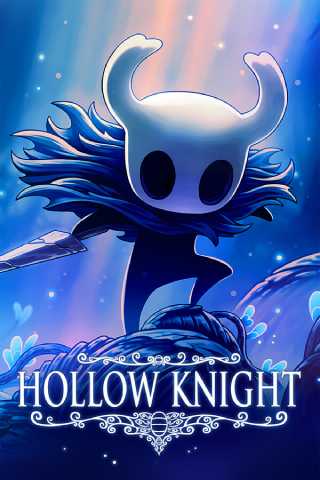
Hollow Knight (2017)
DEVELOPERS: Team Cherry
PUBLISHER: Team Cherry
Have you ever spotted a bug on your way to work and thought "I wonder what sorts of lives these little creatures lead?"
Hollow Knight (2017) is about a bug who stumbles upon a fallen kingdom which has kept captive a bug god, who you must slay, though in order to access the bug god, you must first locate the sleeping spirits of the dreamer bugs who are using their bug powers to seal away the bug god to prevent further devastation.
Though along the way, you make many bug friends, collect many bug charms that grant bug powers, and learn many bug skills to help you kill every other bug you come across, because even bugs hate bugs.
Platforms
PC
Microsoft Xbox One
Microsoft Xbox Series X/S
Nintendo Switch
Nintendo Switch 2
Sony PlayStation 4
Sony PlayStation 5
Prices
CAD 19.49 • USD 14.99
EUR 14,79 • GBP 12.79
AUD 21.97 • NZD 21.99
Official Website
Steam
HowLongToBeat
PCGamingWiki
SteamDB
Wikipedia
May 2026
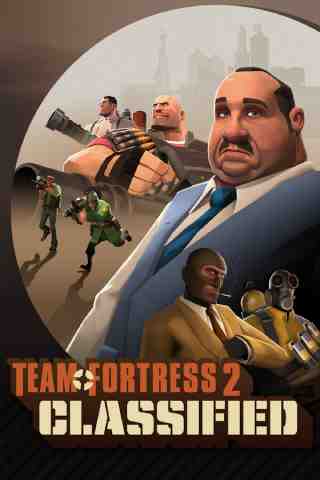
Team Fortress 2 Classified (2026)
DEVELOPERS: Eminoma
PUBLISHER: Eminoma
Team Fortress 2 Classified is a modification of Team Fortress 2 (2007), which had originally started as Team Fortress 2 Classic (2014) before being rebuilt from the ground in order to release officially on Steam.
How are Team Fortress 2 and Team Fortress 2 Classified different from each other? Perhaps it's easiest to describe specifically what Team Fortress 2 Classified (doesn't) have over Team Fortress 2:
+ 100% more teams
+ 10% more classes
- 80% fewer weapons
- 90% fewer maps
- 100% fewer hats
Team Fortress 2 Classified throws nearly everything from Team Fortress 2 in the trash and starts over from scratch, instead reimagining Team Fortress 2 if its development went in a different direction.
When it comes to alternate weapons in Team Fortress, there are two types; weapons with different stats (e.g. the Direct Hit), and weapons with different functions (e.g. the Chargin' Targe). Unlike the original Team Fortress 2, Team Fortress 2 Classified puts its focus entirely on weapons with different functions.
For example: In Team Fortress 2 Classified, you won't find Heavy having six different Miniguns that function slightly differently from each other like in the original Team Fortress 2. Instead, he simply has a Minigun that shoots bullets, and a Minigun that shoots rockets. That's it. You can either use one or the other.
Team Fortress 2 Classified also brings back cut features from past Team Fortress games, namely the Yellow and Green teams, which allow for four-team matches, as well as the tenth class; the Civilian.
Platforms
PC
Prices
CAD 0.00 • USD 0.00
EUR 0,00 • GBP 0.00
AUD 0.00 • NZD 0.00
Official Website
Steam
PCGamingWiki
SteamDB
Wikipedia
April 2026
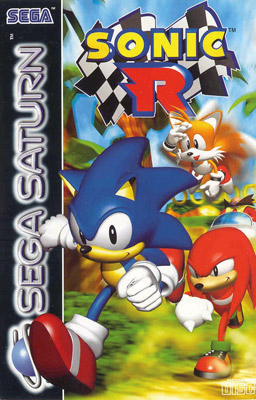
Sonic R (1997)
DEVELOPERS: Traveller's Tales, Sonic Team
PUBLISHER: Sega
Now that the 20-day-long April 1st event is finally over (this section was supposed to be added on the 2nd, not the very last possible day of April), it's time to bring up the most not-bad racing game of all time:
If you've been on the internet and watched videos about old video games for as long as I have, you've likely heard so much about how horrible of a game Sonic R is. Some YouTubers I used to watch talked about this game like it is the worst video game Sega had ever had a hand in, mainly due to its controls.
What I didn't know until recently, though, is that Sonic R was released as part of collections on both GameCube and PlayStation 2, and that the controls were massively improved for both. It is highly recommended that you play either the GameCube or PlayStation 2 version over the Saturn version. As for the PC version, I haven't touched it, and don't know anything about it.
(Some features may only be in the GC/PS2 versions and abscent from the Saturn Versions)
Platforms
PC
Sega Saturn
Nintendo GameCube (Sonic Gems Collection)
Sony PlayStation 2 (Sonic Gems Collection)
Prices (Sonic R)
CAD ~221.71 • USD ~161.86
EUR ~137,73 • GBP ~120.00
AUD ~226.50 • NZD ~275.89
This game is no longer officially sold.
All prices are second-hand averages.
Prices (Sonic Gems Collection)
CAD ~78.23 • USD ~57.11
EUR ~48,59 • GBP ~42.34
AUD ~79.91 • NZD ~97.34
This game is no longer officially sold.
All prices are second-hand averages.
HowLongToBeat
Wikipedia
April 1st 2026
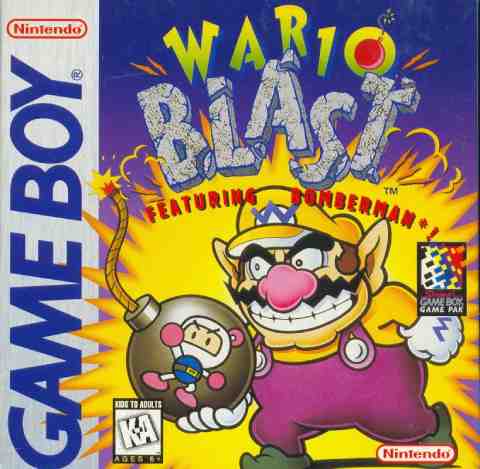
Wario Blast: Featuring Bomberman! (1994)
DEVELOPER: Hudson Soft
PUBLISHER: Hudson Soft, Nintendo
Wario Blast: Featuring Bomberman! is a game I randomly played one day back around ~2019, which has occasionally crept back into my mind since, for no other reason than it's a simply enjoyable game.
The game is simple: Blow up Wario and his clones, and avoid getting blown up by Wario or his clones. Each level is best two out of three: Once you win against Wario and his clones twice, you move on to the next level. As you progress, you unlock new abilities, such as being able to kick around bombs, or even being able to kick around Wario and his clones, which aide you in bombing Wario and his clones, but *also* aid Wario and his clones in bombing you and your- well, just you.
Bomber beware: As you progress to each new world, the game throws in new environment hazards as well. Well, they're not exactly "hazards," as you can use them to your advantage to win... though if you're *really* not careful, you can wind up in a trillion pieces because of them.
So, the regular levels are really enjoyable, but how about the boss fights at the end of each world? They absolutely fucking suck, and for one specific reason: Hit registration. In the regular levels, when your bomb explodes and comes in contact with a Wario, the Wario dies. When your bomb explodes and comes in contact with an end boss, they only take damage like ~30% of the time.
Other than the bosses, this game, with its simple premise and gimmicks, can be pretty enjoyable, and watching the prolific AI manage to blow itself up is always funny.
Platforms
Nintendo Game Boy
Prices
CAD ~25.18 • USD ~18.27
EUR ~15,75 • GBP ~13.66
AUD ~26.22 • NZD ~31.42